Blog

Common Symptoms of Rheumatoid Arthritis

03/25/2016 09:12
Many people today suffer from a type of arthritis known as rheumatoid arthritis. Statistics show that as many as 2.1 million Americans (or one percent of the population) suffer from this disease. About three times as many women as men are affected by rheumatoid arthritis. There is no cure for this disease, which causes an inflammation of the lining (also known as the synovium) of the joints. However, a combination of exercise, joint protection techniques, self-management techniques, and medication can help rheumatoid arthritis suffers lead a happier and healthier life.
 
When the joint lining becomes inflamed because of rheumatoid arthritis, it can cause pain, swelling, and stiffness. Because of those symptoms, people may lose function of the area affected. Rheumatoid arthritis usually affects the small joints of the feet and hands first. Rheumatoid arthritis can also affect glands (such as the tear and salivary) and the lining of the heart and lungs. Symptoms include joint pain, swelling, warmth, stiffness, and overall fatigue. Joints may feel tender and you may even run a small fever. Stiffness in the joints often lasts more than 30 minutes after waking in the morning. Because of the pain and discomfort, people with rheumatoid arthritis may also have trouble sleeping. Symptoms may also be worse when getting up after resting.
 
 
About 25% of those suffering from rheumatoid arthritis will develop small bumps under the skin. These bumps, known as rheumatoid nodules, are not normally painful. They may develop at the elbow, back of the scalp, or on the knees, hands, feet, or heels. The size of the nodules can range from pea size to that of a walnut.


Rheumatoid arthritis symptoms can come and go in severity. Increased activity in the symptoms is known as flares or flare-ups. During these times, the disease is more active. This can lead to joint damage that often results in disability. Those with severe cases of rheumatoid arthritis can have active periods that last for years.
 

Rheumatoid arthritis consists of three stages:

 
1. Stage 1 involves the swelling of the lining, which causes pain, warmth, and stiffness around the joint.
 
2. In Stage 2, the cells of the lining rapidly grow and divide, causing the lining to thicken.
 
3. The cells release enzymes in Stage 3 that eat into the bone and cartilage. This can cause the joint to be misshaped, causing further pain and loss of function.
 
Getting an early diagnosis for rheumatoid arthritis allows for a good prognosis for living a productive life. When diagnosed early, doctors can prescribe an aggressive treatment therapy that can limit the damage done to joints. This will give you better function of the joints affected and help avoid later medical costs and loss of movement. Studies show that just 24 months of undiagnosed rheumatoid arthritis can do serious damage to the joints.
 
Doctors are not certain what causes rheumatoid arthritis. It is, however, an autoimmune disease. This means the body’s immune system does not act as it should, but rather attacks the joint tissues. Doctors believe that rheumatoid arthritis can be hereditary, meaning it runs in families. Scientists have pinpointed genes found in the immune system that may determine whether you have rheumatoid arthritis, but sometimes people who have those genes never develop rheumatoid arthritis.
 
There are many steps to diagnosing someone with rheumatoid arthritis. The doctor will look at your medical history. He will ask questions such as ‘Do you have stiffness in the morning?’ and ‘When is the pain most severe?’ Based on the series of questions, the doctor may be able to determine if you have rheumatoid arthritis, but he may also rely on the results from a physical exam. The physical exam may show joint swelling, loss of motion, and misalignment.
 
He may also order lab tests such as a blood count, erythrocyte sedimentation rate, c-reactive protein, rheumatoid factor, and antinuclear antibodies. He may order x-rays, magnetic resonance imaging (MRI), an ultrasound of the joints, and a bone densitometry study (DEXA). Using all these tools, the doctor should be able to diagnose rheumatoid arthritis then develop a management plan.
 
Rheumatoid arthritis can be a debilitating disease, but today more than ever, there are treatments and medication that can make living with the disease much easier.

What Are The Symptoms of Knee Pain

03/09/2016 09:35
Symptoms for knee pain are usually pretty clear and so to cure knee pain seems clear too. Swelling in the knee accompanied by pain, being unable to bend the leg without knee pain, or the inability to walk at all without the aid of a stick or some other form of support are some apparent symptoms. 
 
Less obvious symptoms of a problem with the knee can be back ache. The lower 4 or 5 vertebrae in the spine have connections to the knee by nerves. Therefore, you may not be aware that the true problem to your inability to get around easily is to do with another part of your body and if you find a way to cure spine problem, the knee pain will be remedied.
 
Symptoms needing to cure knee pain can show in other ways too; clicking or popping of the knee joint when going up stairs or steep inclines. Pain experienced when kneeling for a prolonged time or for just bending down to pick something up. A discomfort in standing up after sitting for a while, maybe in the cinema or on a long car journey or on any other forms of transport, planes, trains, buses.
 
Getting up first thing in the morning and feeling a stiffness of the joints is experienced as you get older and can be the first symptoms of arthritis. To cure knee pain of this sort, you should seek advice from your physician if it is persistent and prolonged. Pains in different parts of the knee, front, back or either side are symptoms of different causes.
 
 
Incorrect posture can cause problems in the spine and these will be transferred to the knee via nerves connecting vertebrae in the lower spine to the knee area. Cure lower back pain and you may well on the way to eliminating what you thought were problems with your knees.

What to Do If You Suspect Osteoarthritis?

03/03/2016 10:28

There are many different forms of arthritis but the most common one is osteoarthritis.

What is Osteoarthritis?
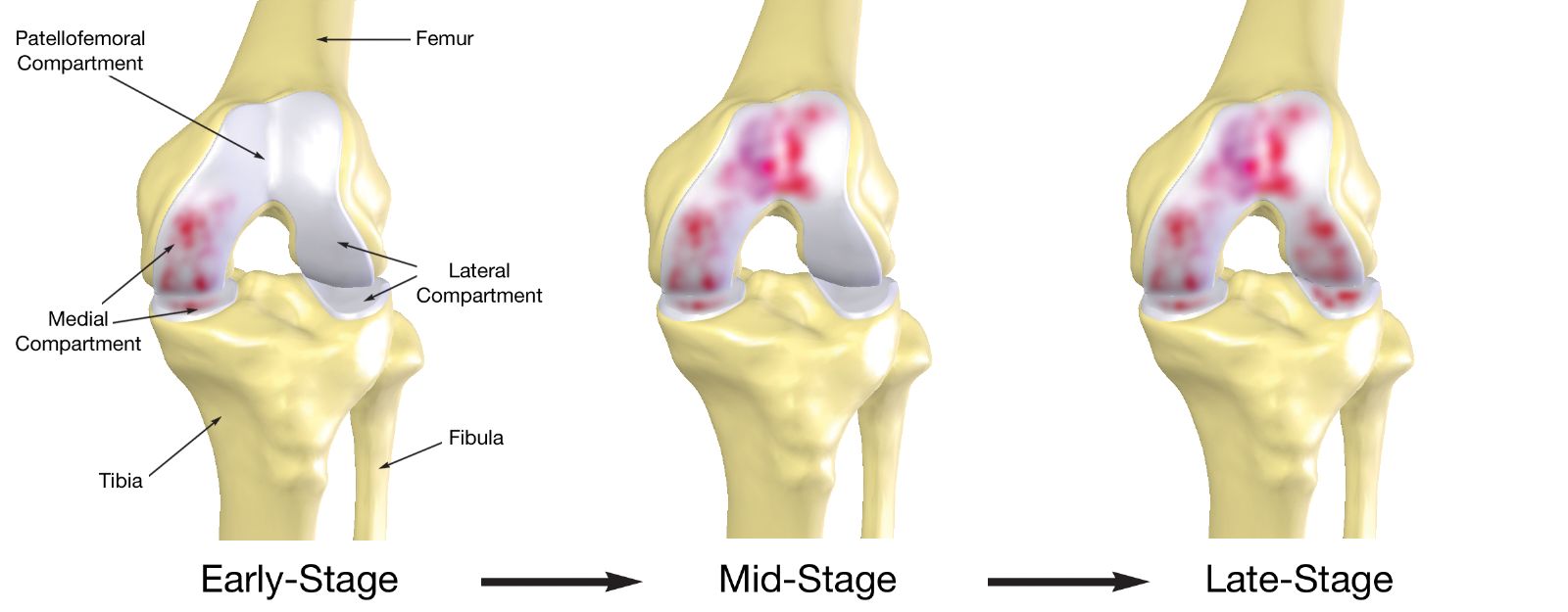
This is where the cartilage around the bones that are based at the main joints of the body including the knees is found. To suffer with this disease can be extremely painful and it has a degenerative effect of the body. The most common cause of osteoarthritis is obesity and this is an all too common problem in the world today. There is however, ways to relieve this pain and below are some of the tips that you can use to help yourselves help yourselves.

The most common place to find osteoarthritis is in the knees as this is where the majority of the body’s weight is applied. Pain in the legs can also be attributed to osteoarthritis of the hip but you should consult with your knee surgeon to determine the exact cause.

By recognising the symptoms could help you overall and the joint pains are certainly the main factor. If the problems and pain get worse or if the symptoms develop other attributes then you should consult your knee surgeon as soon as possible.
So you Think you have Osteoarthritis – What Next?
You should always consult a knee surgeon that you can depend on a trust their judgement. A knee surgeon is usually the first port of call in terms of diagnosis and this can have up to several tests to determine the outcome. If you feel comfortable with your doctor then you will feel comfortable in what they have to say.

After you have seen the knee surgeon and it has been confirmed that you have osteoarthritis then they will usually provide you with a course of treatment. This will be medicated and you should follow the surgeon’s advice to the letter when it comes to taking the prescribed drugs. If you are a little forgetful try keeping a diary so that you stay on top of the prescribed medication and write notes about how you are feeling on a particular day during this process.

Self Help
A knee surgeon will also advise you to do exercise which is something we all tend to neglect. Try and avoid any high impact exercises such as running and go for something like swimming which gives the body a full workout while being in the water keeps the weight pressure on joints to a minimum.

Finally, the main thing that can work wonders is the support of your family and knee surgeon, especially in older or less mobile people, as the pain can become quite extreme at times and you need to have someone who can support you and help you when you are in need of it. Do not be afraid to call your knee surgeon for advice and tell them if what they have prescribed is not helping as they may be able to look at alternatives that may help you, after all we are all different.

You might be like: Genu valgum adults treatment type

By going to your knee surgeon and seeking expert advice you will be able to keep the progression of osteoarthritis to a minimum and this will ultimately help in the long run.

Genu Valgum Adults Treatment Types

02/21/2016 23:17
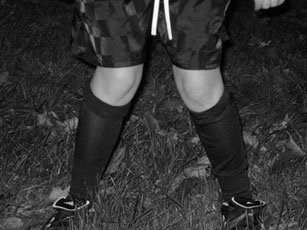
Genu valgum is a case of bone deformity commonly found in children. But if the condition is left untreated, the disease can progress past adolescence and develop into genu valgum adults-type. However it does not necessarily mean that you should do something immediately once your kid shows a sign of knock-knees, though. 
 
Knock-knee is natural occurrence and is a part of your kid’s overall skeletal physiological development. After your kid is already beyond 5 years of age, the condition should have already fixed naturally as the bones on the legs adjust to maturity. Conversely, if it hasn’t, it may be because of the existing bone disease underlying the condition. But if the tests rule out anything causing it, there is a chance that the deformity is congenital


Genu Valgum Adults Causes

Untreated rickets or uncontrollable weight gain can be addressed as the trigger for genu valgum adults could potentially suffer. Others like improperly healed bone injuries, rheumatoid arthritis, or osteoarthritis can also contribute to the worsening of genu valgum in adults. Therefore, examining whether or not the deformity is an effect of other involved conditions is important. Treating said constitutional disease accordingly should lend a progress in improving genu valgum. Additional physical therapy can hasten the progress, including restriction in weight gain, lifestyle change, and implementing correct high impact exercise.
 
When it is fully determined that genu valgum adults is so severe that it causes pain accompanying walking, then a surgical procedure can be considered. Surgery is an invasive procedure seeing that it involves the doctors drilling and breaking some parts of the bones. 
 
One can consider a less invasive type of the surgery, which is guided growth, but it is a long process that may call for regular visit to the doctors. The more invasive counterpart involves osteotomy, in which the doctors take away parts of the bones so as to make it easier for proper realignment.

The Congenital Genu Varum

02/15/2016 12:32
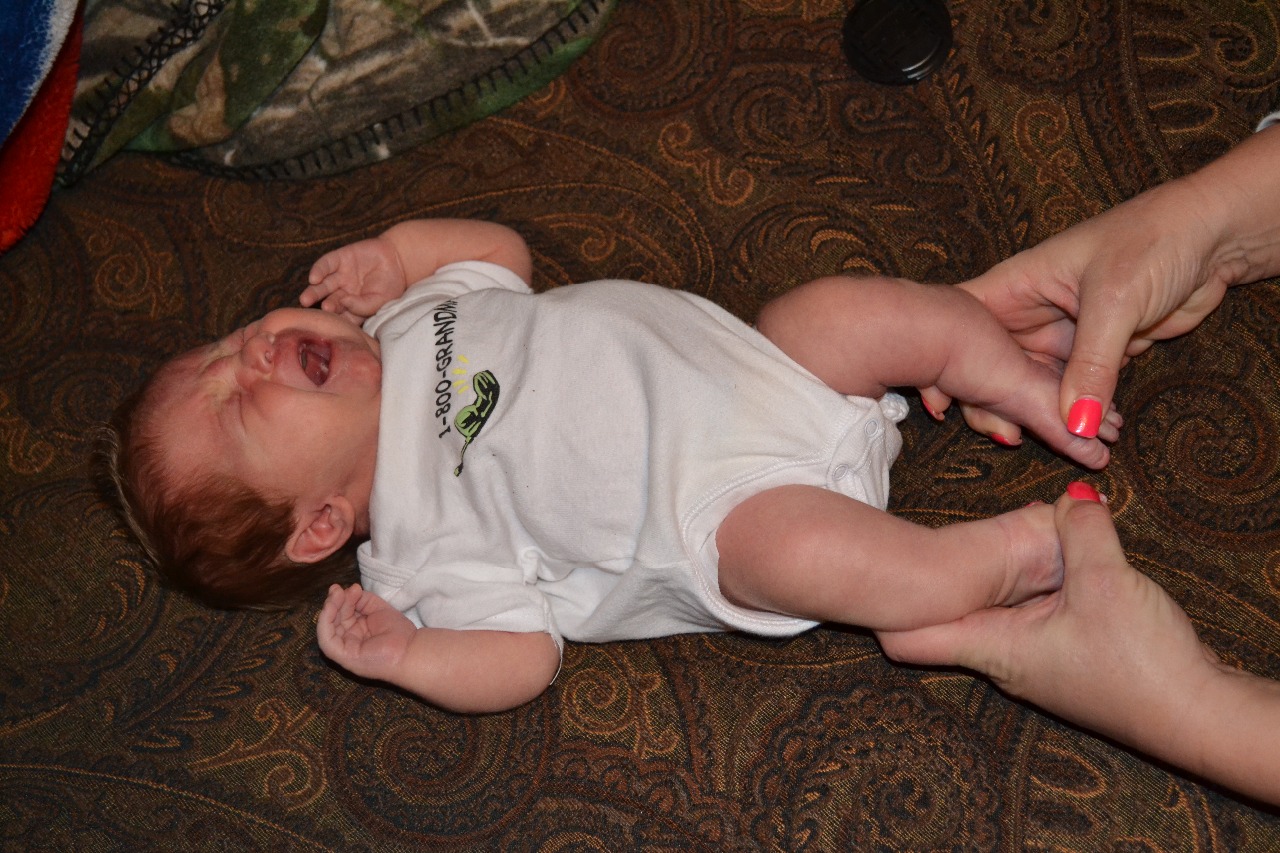
The congenital genu varum, which is also commonly known as bow legged condition, is a disordered bone development that can cause your legs keep bowed out even when your feet stand together. You can actually find this kind of condition happens to many people with various ages. 
 
The bow legged that happens to the adults is commonly caused by the fractured bones that are not healed well, bone tumor, or because they have already reached the advanced age. Meanwhile, the bowlegs happens to the infants can be the result of the cramped position of the infants when they were still in the womb. 
 
You might be like: Genu varum knee understanding


Congenital Genu Varum Treatment

the treatment that can be done to fix the congenital genu varum happens to the infants can be different from the Genu Varum treatments for adults. The Genu Varum that occurs to the infants basically will get fixed naturally even if you do not do any treatments to cure it. It will get better as the time goes by. However, it does not mean that the bow legged condition will not affect the condition of your lovely kids. 
 
It is still necessary for you to take your kids to the doctor or pediatrician in order to check how severe the bow legged condition has been. By doing so, you will be able to find out the best things to do to prevent the everlasting bowlegs. Otherwise, the bowlegs in adults have to be treated as well as possible. It is because the overtime bowlegs can make its sufferers get worse condition because of the arthritis. Well, there are actually many options of the treatment you can choose, such as the knee osteotomy surgery, the vitamin D intake, braces and special shoes, and so on. You can choose one them that can suit your requirements in the best way possible. Check GenuVarumNoMore.com for more information about genu varum treatment


Furthermore, the congenital genu varum usually comes with several signs which happen to the adults. They can be like the discomfort that they can feel because of the extreme pressure on the joints and the other discomfort on the outside of the knee because of the excessive pull of the ligament. 
 
This particular condition will make the sufferers feel difficult to move their legs freely while they are balancing, walking, running, and so on. So, it must be so annoying because your mobility and ability will be limited because of the bowlegs. Otherwise, there is no specific signs of Genu Varum happens to the infants unless the bow shaped legs. However, you better keep visit the expert to figure out how severe the bow legged condition is.
 
In conclusion, it does not matter who the congenital genu varum happens to, whether it happens to infants or adults, it is so much important for you to make sure that the bones disorder will never be lasting for long time. It is because the Genu Varum that lasts overtime will make you suffer from arthritis, rickets, Blount’s disease, and any other further diseases. So, you better go to the doctor or pediatrician as soon as possible once you have found your legs get bowed out.
 

Genu Varum Knee Understanding

02/08/2016 23:58
Knees are straightened and one of them is not strait as it was. It is called genu varum knee. This health problem happens in not only children but also adults. Viruses or parasite is rare to be caused but you cannot despise probability. Familiar term for this problem is knock-knee. As you can see, one knee on left or right is touched to another side. It forms angle that might be small or big. Based on recent research, this problem is categorized into deformity. Because it makes feet condition much worse, people or children that has this condition have to be cured


Deformity is the result of physical formation. Bone misplaced creates imbalance position. Knee is sanative to hard movement. In sport, you might heart about knee operation or femur problem. There are some examples of physical deformity. However, early detection can be applied only in adult. Injury is major factor for them. When you feel pain in knee, doctor and hospital are the best place to go. Genu varum knee treatment is similar with other joint related problem. Therapy is important to get better condition. Furthermore, you should check knee capability before take extreme sport. Besides that, regular body check can put knee from harness situation.
 
 
In children, this kind of deformity is a little bit difficult. Children with age two or three years might experience knee problem. They start walking and running. More forces on knee affect its development. If one side is ill, the result is imbalance lower body. Children bone composition is different with adult. There is ossification, which means cell bone gets hard and firm. This process requires calcium and magnesium. Genu varum might not hold growing but make it go to wrong direction. Corrective procedure has to implement quickly. That is main reason that genu varum knee occurs in children.
 

What Can Cause Genu Valgum? (Knocked Knees)

01/31/2016 10:47
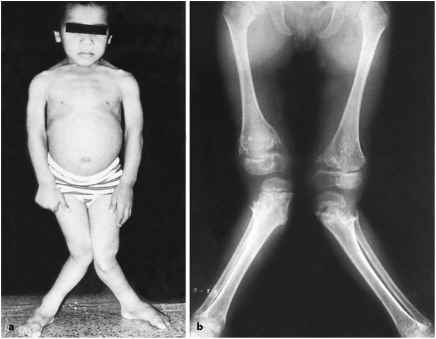
Cause of Genu valgum:
1. Wrong sleeping position, for example his stomach like a frog. If prolonged, this habit may cause the rotation and shape of the leg.
2. The habit of sitting incorrectly, for example, sit with legs forming the letter W.
3. The habit of wrong baby holding, for example when worn sideways, left leg wrapped around the body of the child's mother (carrying) and forming an angle of 90 degrees.
4. Put disposables diaper wrong and at the wrong time, for example, constantly when children are learning to walk. This makes it difficult to find a child's foot position is stable.
5. Putting babywalker. Children who have not been strong enough to support the weight of his body would impose one of his legs to support the entire weight of his body. As a result, lower leg and ankle are trained, resulting in an imbalance of muscle strength.
 
 
As a child why suffer from foot X, not the legs O, caused by two Factor following:
1. Sex factor
Women have a wider pelvis than men and have relatively shorter thighs so that women more often experience Genu valgum (X shape) than men. In other words it can be said that Genu valgum commonly found in women, whereas Genu Varum commonly found in males.
2. Obesity factor
Children who are obese tend to have legs O shape (Genu Varum). This is because the feet have to bear excess weight. Under normal circumstances, the child's feet can get back to normal if the child's diet since the age of five.

Don't Panic if Your Child Have O form Legs

01/19/2016 20:52
Often we see children aged one year to have O-shaped legs which later developed into the form of X. These changes usually occur when the child is aged two years or three. Normally foot (knee) will be in the form of O (genu varum) from infancy up to age 2 year. Then turned into a bit of X until the age of 8 years, then be straight up to adulthood.
 
Shape of the foot X is generally much encountered in girls. Shape of the foot X will be clearly visible when the child is standing upright. Inner knees are touching each other, and in between the inner ankle there is a distance with each other.
 
Shape of the O and X legs in children is usually caused because the bones are still vulnerable. When children grow normally parallel legs would later return.
 
But the child's knees when the distance over 6 cm (too 'O') parents should immediately take the child to the doctor. This is a sign abnormalities. Also if only one leg is curved. Perhaps this is an aberration derived from a parent or other causes.
 
If in doubt should be taken to an orthopedic surgeon for the exact condition and whether the necessary action. If there is a deviation possibility given brace.